Citizen science, also known as amateur science, hobby science, participation, crowdsourcing, and co-creation, involves the voluntary participation of non-professional scientists in organized research activities. The European Citizen Science Association has defined the main principles of citizen science, which have been translated into Estonian by staff at the University of Tartu Natural History Museum.
Everyone can take part in citizen science projects. It is important to follow the guidelines provided by researchers. Volunteers can contribute by collecting, processing, and analyzing data; evaluating research results; initiating projects; shaping action plans and policies; or performing other supportive activities.
In addition to contributing to science, one of the key goals of citizen science is to develop an educated and creative community and to foster a scientific worldview in society.
You can read more about citizen science on the Estonian Research Council’s portal miks?ee.
Estonian citizen science projects
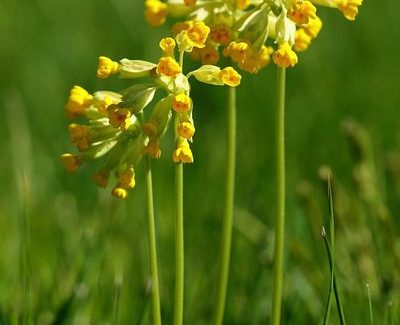
Looking for Cowslips
Using jointly collected cowslip data, we can gain an overview of the status of cowslips and the species associated with them in Estonia. It allows us to assess which areas are ecologically intact and which areas are deteriorating.
Photo: Kaarel Kaisel
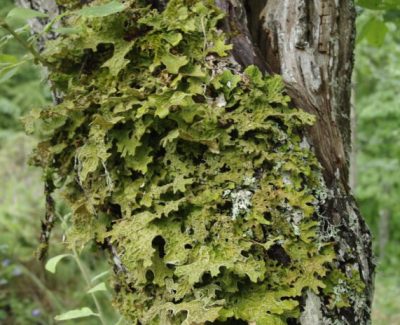
Lichen observation
We collected lichen data across Estonia to understand how lichens spread in our forest landscapes and how forest management can better take them into account.
Photo: from the website
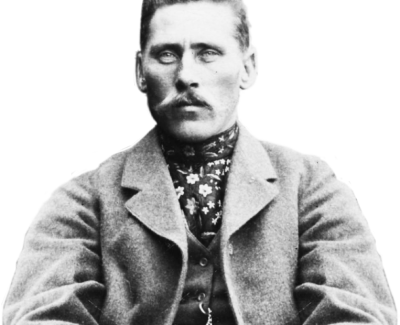
Parish courts
The National Archives invites volunteers to join in the collaborative effort on parish courts. We are grateful to everyone who helps enter the stories of our ancestors and make their voices heard again!
Photo: from the website
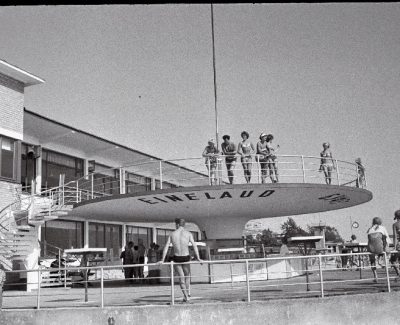
Ajapaik
Ajapaik is a crowdsourcing platform aimed at collecting additional information about historical visual materials (primarily photographs, but also paintings, graphics, and films).
Photo: Fotis EFA.204.0.65419
Rahvalood.ee
Rahvalood.ee collects everyday life stories from people on various topics in cooperation with museums, supporting research, exhibitions, and the documentation of current events. Photo: from the website
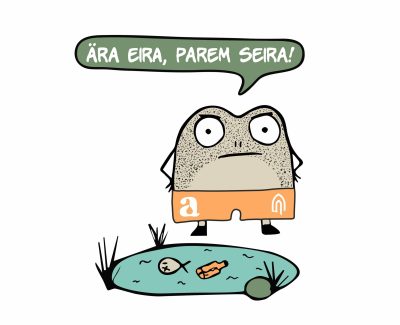
Allikad.info
Allikad.info is a mapping application for discovering, describing, and supplementing natural springs. It helps to consolidate observation results and, after verification, add them to national registries. Photo: from the website
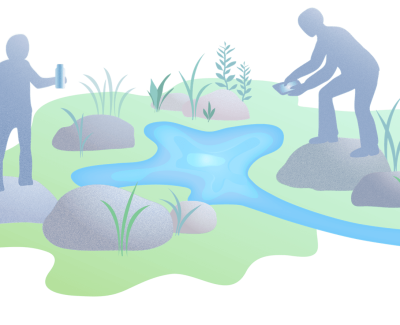
Veestik.info
Veestik.info allows volunteers to monitor local water bodies and add observational data, which helps to detect changes early in areas where official monitoring is limited. Photo: from the website
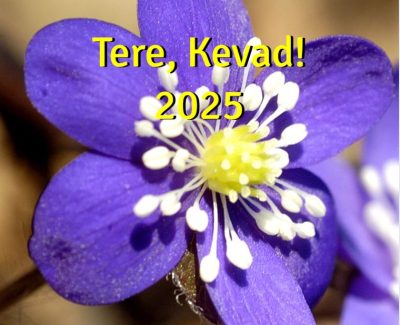
"Hello, Spring!"
"Hello, Spring!" invites children to notice the first signs of spring and record their appearance times, helping to enrich the nationwide phenological observation database. Photo: from the website
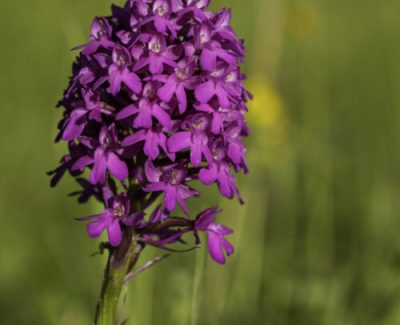
EOKK "Orchid of the Year"
EOKK "Orchid of the Year" invites people every year to observe a selected orchid species, collect sightings and photos, and contribute to the distribution data of orchids in Estonia. Photo credit: Jaak Neljandik
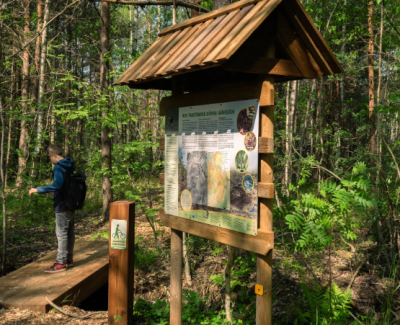
The WaterLANDS citizen science trail
The WaterLANDS citizen science trail in Kõrsa bog invites visitors to observe changes in the regenerating bog, measure water levels, record species, and submit their observations to scientists using QR codes. Photo credit: Anna Birgitta Erikson